Why should I get my cat spayed or neutered?
There are many common misconceptions concerning spaying and neutering. We will explain the facts of this health procedure and help you make this important…

Cat care from carrier training to dental disease, with the feline-specific advice our Parma veterinarians give most often.
There are many common misconceptions concerning spaying and neutering. We will explain the facts of this health procedure and help you make this important…
All cats and kittens should be current on the following: FVRCP – FVRCP is an abbreviation for Feline Viral Rhinotracheitis Calicivirus Panleukopenia.
Cats are creatures of habit, and a boarding stay changes the room, the smells, the people and the schedule at once. A little planning goes…

If your dog ate chocolate, two things decide whether you call right now: the type of chocolate and your dog’s weight. Baking chocolate, cocoa powder…
Your cat hacks, retches and leaves a damp clump on the rug, and you are left wondering whether that is normal. An occasional hairball usually…

Ticks in Ohio are active in every month of the year, so the small, firm bump you feel behind your dog’s ear after a January…
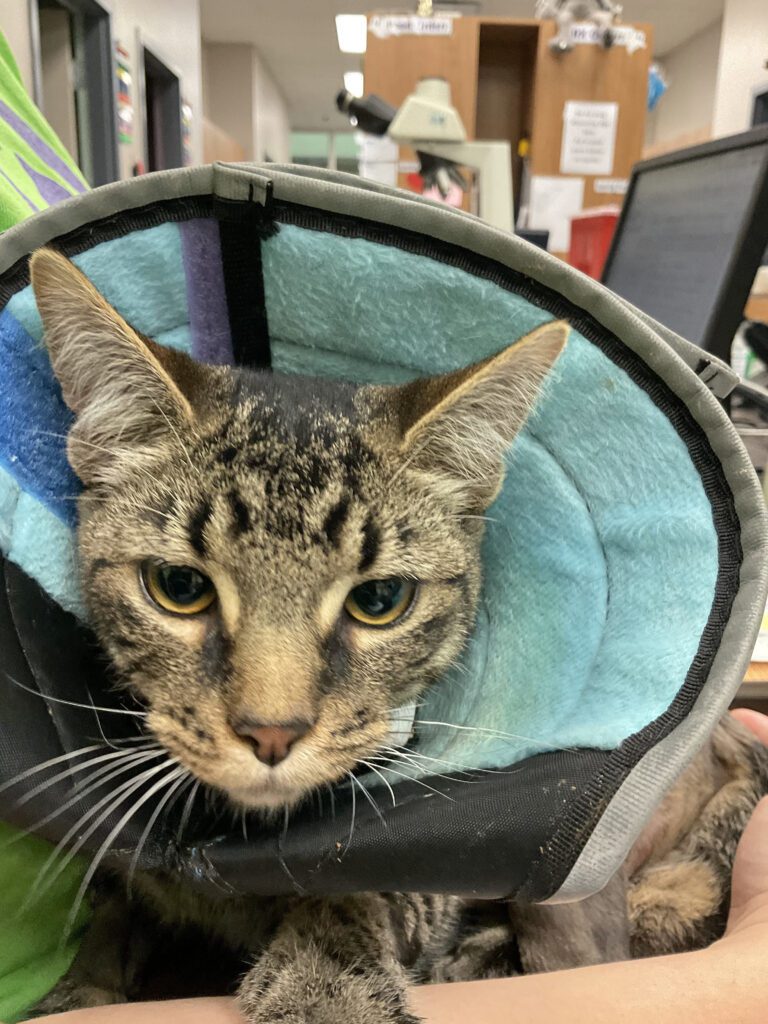
Your cat has never set paw outside. They eat well, nap in the sunniest spot in the house, and seem perfectly content. So does a cat like that really need a checkup? Living indoors protects cats from cars, fights, and harsh weather, but it doesn’t protect them from illness. A pet wellness exam gives your veterinarian a chance to catch problems your cat may be working hard to hide, and regular routine wellness care matters just as much for indoor cats as it does for outdoor ones. Indoor Doesn’t Mean Risk-Free Cats are experts at acting normal when they don’t feel well. In the wild, showing weakness makes an animal an easy target, so cats evolved to hide signs of illness for as long as possible. By the time a problem becomes obvious at home, it may already be well advanced. Indoor cats also tend to visit the vet far less often than dogs. Without regular checkups, those quiet changes can go unnoticed for months or even years. Health Problems That Develop Quietly An indoor lifestyle lowers the risk of injuries and some infectious diseases. Still, it doesn’t prevent the chronic conditions that underlie most feline illnesses. Common problems that can develop without obvious signs include: Kidney disease is a good example of why early checkups matter. It affects up to 40% of cats over the age of 10 and up to 80% of cats over 15. Yet, cats in the early stages often show no obvious signs of kidney disease because their bodies compensate for lost function. At home, the clues tend to be small: drinking more water, sleeping in new spots, grooming less, or vomiting more often. It’s easy to write those off as quirks, but they’re worth mentioning to your veterinarian. Parasites Can Still Get Inside Four walls don’t keep every parasite out. Fleas hitch rides on dogs, people, and clothing, then settle into carpets and bedding. Mosquitoes that carry heartworm slip in through open doors and torn screens. If you have a dog who spends time outdoors, they can also carry ticks straight onto your cat’s favorite couch. What Happens During a Cat Wellness Exam A wellness visit is a full check of your cat’s health, not just a quick look and a vaccine. Most exams cover the following: A wellness exam is also your chance to bring up anything you’ve noticed, even if it seems minor. Changes in appetite, litter box habits, sleep, or behavior help your veterinarian put the exam findings in context. How Often Should Indoor Cats Be Seen? The answer depends on your cat’s age and health. The feline life stage guidelines group cats into kittens (under one year), young adults (one to six years), mature adults (seven to 10 years), and seniors (10 years and older). Because a cat can move from one stage to the next fairly quickly, their care needs shift over time too. Kittens need several visits during their first year to complete vaccines and preventive care. For adult cats, many veterinarians recommend a wellness visit every six months rather than once a year. Cats age faster than people do, so a lot can change between visits. Seniors and cats with chronic conditions like kidney disease or diabetes benefit the most from that closer monitoring. Making Vet Visits Easier for Your Cat For many cat owners, the biggest hurdle isn’t the exam itself. It’s getting a reluctant cat out the door. A little preparation can make the whole trip calmer for both of you: If your cat runs the moment the carrier appears, carrier training for cats can turn it into a spot they actually choose to nap in. Starting a few weeks before the appointment gives your cat time to adjust at their own pace. Frequently Asked Questions My Cat Seems Perfectly Healthy. Do They Still Need an Exam? Yes. Many of the conditions that affect cats, like kidney disease, dental disease, and hyperthyroidism, develop gradually and stay hidden in the early stages. A cat who seems healthy at home may still have changes that only an exam or lab work can reveal. Catching those changes early usually means simpler treatment and a better quality of life. Does My Indoor Cat Really Need Vaccines? Your veterinarian will tailor vaccines to your cat’s lifestyle, so an indoor-only cat may need fewer than one who goes outside. Some vaccines are still recommended for every cat, since indoor cats can be exposed to disease through open doors, other pets, or an accidental escape. Schedule a Pet Wellness Exam for Your Indoor Cat Your indoor cat may never chase a squirrel or dodge traffic, but they still count on you to look out for the problems they can’t tell you about. At Bartels Busack Pet Hospital Resort & Spa, our Fear Free certified team uses gentle, low-stress handling to help even nervous cats feel more at ease, and we’ve been AAHA-accredited since 1986. When you’re ready, schedule your cat’s visit with our team to get started!
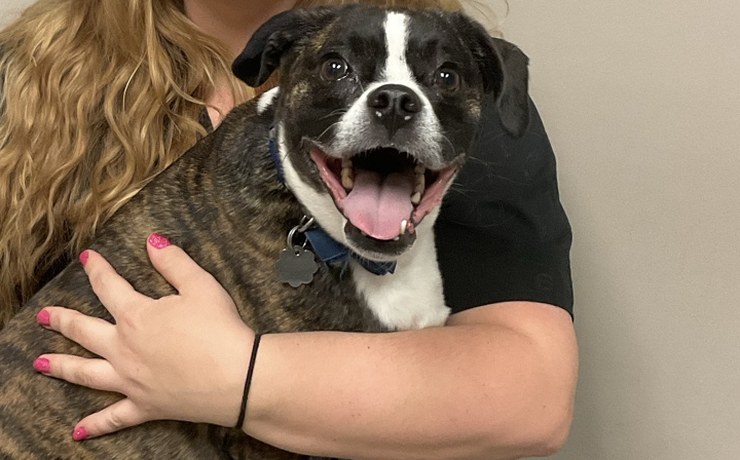
Your pet needs an urgent care vet right now if your dog is retching with nothing coming up, your cat is straining in the litter…
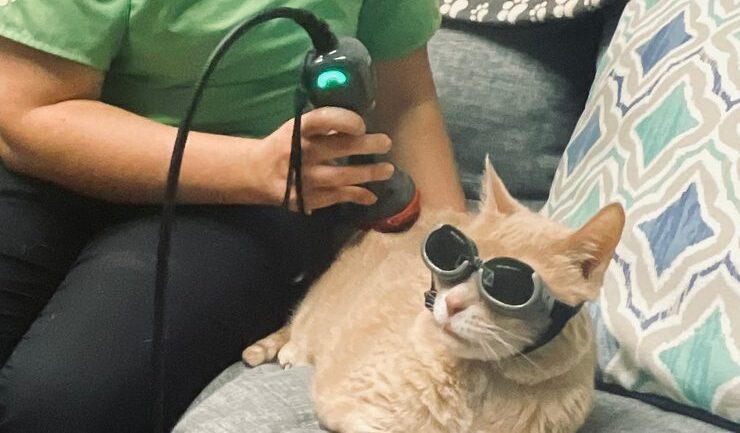
Here is how to get a cat into a carrier without a fight: make the carrier part of the furniture, reward every small step toward…

You found a dog or cat at a Cleveland-area shelter, and the paperwork is done. The first month sets the tone for the years ahead…
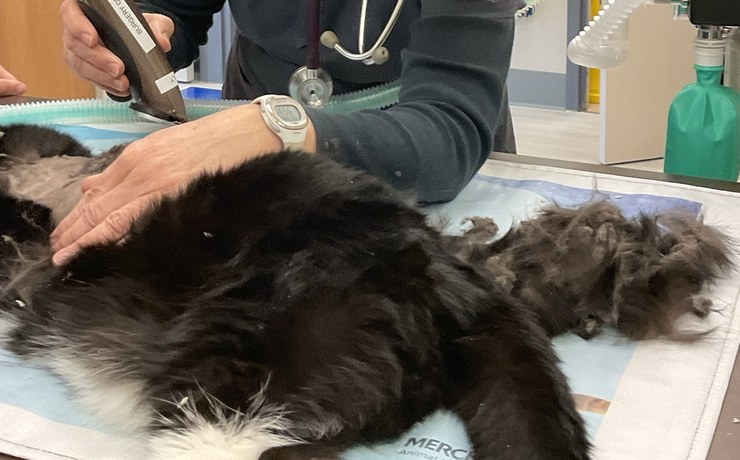
Providing an accurate, reliable and permanent manner to identify an animal has now become quite simple. We now are able to permanently identify your pet…
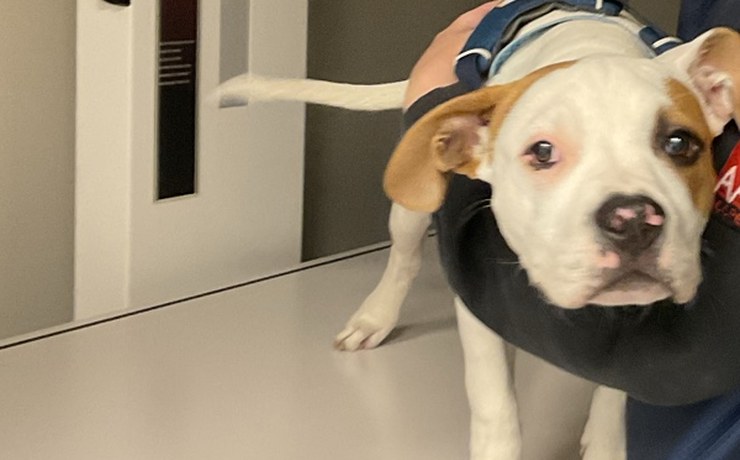
Local veterinarians recommend bringing pets in for a routine checkup at least once annually, and — somehow — most dog owners end up at the vet an average…


